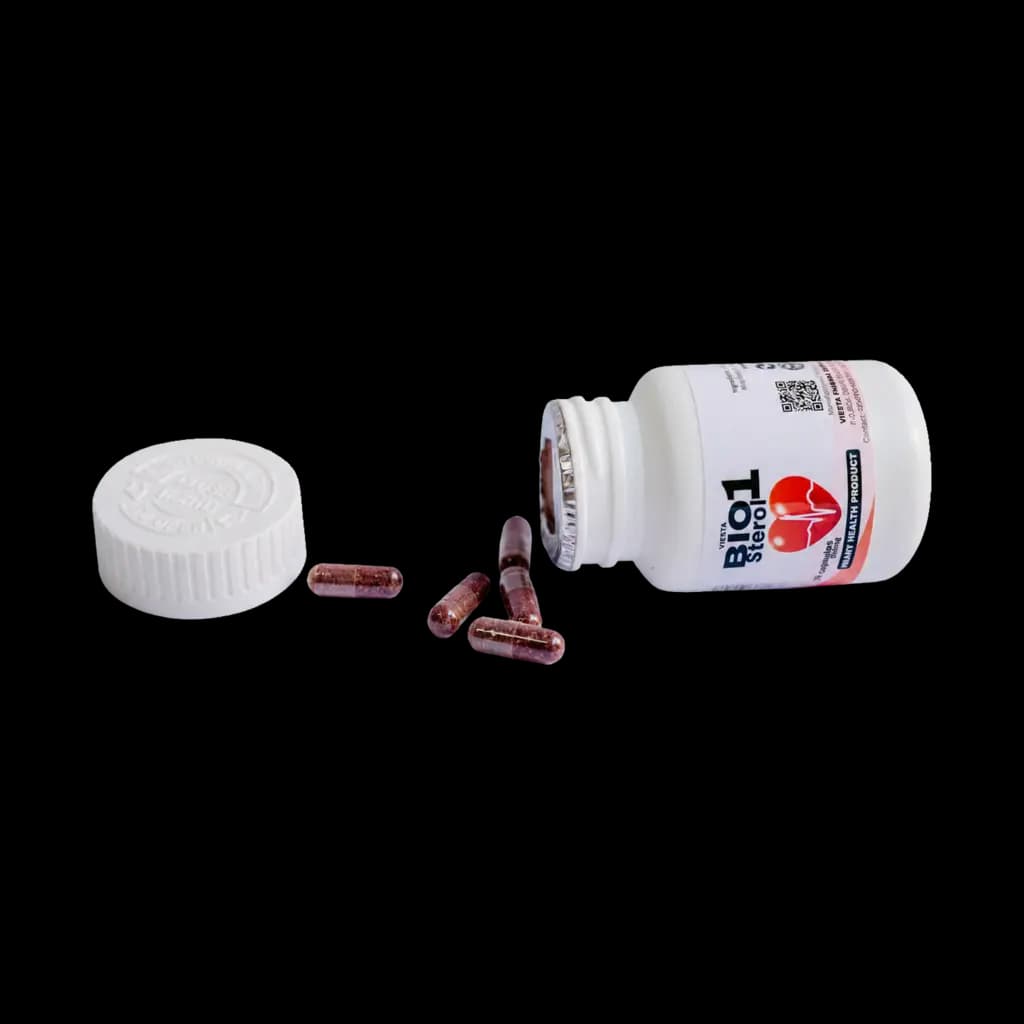
Understanding Blood Pressure: Numbers, Habits, and When to Get Help
Learn what blood-pressure numbers mean, why major frameworks use different thresholds, and how to build a reliable monitoring routine.

Blood pressure is the force of circulating blood against the walls of your blood vessels. It is recorded as two numbers: systolic pressure while the heart contracts and diastolic pressure while the heart rests between beats. Because high blood pressure often causes no obvious symptoms, measurement is the practical way to know whether a reading needs attention.
Understanding your reading
A reading is written with the systolic number first, such as 120/80 mmHg. One result is only a snapshot. Recent activity, stress, caffeine, pain, posture, the cuff size, and the way a measurement is taken can all affect it. A qualified healthcare professional considers repeated readings and your wider health context before making a diagnosis.
| Category | Systolic | Relationship | Diastolic |
|---|---|---|---|
| Normal | Below 120 | and | Below 80 |
| Elevated | 120–129 | and | Below 80 |
| Stage 1 hypertension | 130–139 | or | 80–89 |
| Stage 2 hypertension | 140 or higher | or | 90 or higher |
Build a more reliable home routine
- Follow the monitor manufacturer's instructions and use a cuff that fits your arm.
- Avoid measuring immediately after exercise, smoking, or a caffeinated drink.
- Sit quietly with your back supported, feet on the floor, and arm supported before measuring.
- Record the date, time, and result instead of relying on memory.
- Share a pattern of readings with a qualified healthcare professional rather than interpreting one number alone.
Everyday heart-conscious habits
WHO highlights a healthy diet with less salt, regular physical activity, avoiding tobacco, and following prescribed care as important parts of blood-pressure management. These habits work best as a sustainable routine. They do not replace clinical assessment or medication when treatment has been prescribed.
- Choose varied, minimally processed foods and be mindful of salt in packaged meals and seasonings.
- Build movement into the week at a level appropriate for your health and mobility.
- Keep monitoring and clinic appointments if you have been asked to track your pressure.
- Take prescribed medicine exactly as directed and discuss side effects instead of stopping it yourself.
- Tell your clinician or pharmacist about every supplement and herbal product you use.
Further reading
Sources
These authoritative references informed the general health guidance in this article.