Diabetes Wellness: Understanding Tests and Everyday Routines
Understand fasting glucose, HbA1c, and random tests, then build practical routines around professional diabetes care.

Blood glucose changes throughout the day as food, activity, medication, stress, sleep, and illness affect how the body uses energy. A laboratory or clinical test can help identify prediabetes or diabetes, while personal targets for someone already diagnosed should come from their healthcare team.
What common glucose tests measure
A fasting blood glucose test is performed after an overnight fast. HbA1c estimates average blood glucose over roughly two to three months. A random glucose test can be taken without fasting, but it does not have general CDC categories for normal and prediabetes. Results need clinical interpretation, and diagnosis may require confirmation.
| Test | Normal | Prediabetes | Diabetes |
|---|---|---|---|
| Fasting blood glucose | 99 mg/dL or below | 100–125 mg/dL | 126 mg/dL or above |
| HbA1c | Below 5.7% | 5.7–6.4% | 6.5% or above |
| Random blood glucose | Not applicable | Not applicable | 200 mg/dL or above |
A practical daily routine
- Plan balanced meals around foods available to you, with variety and appropriate portions.
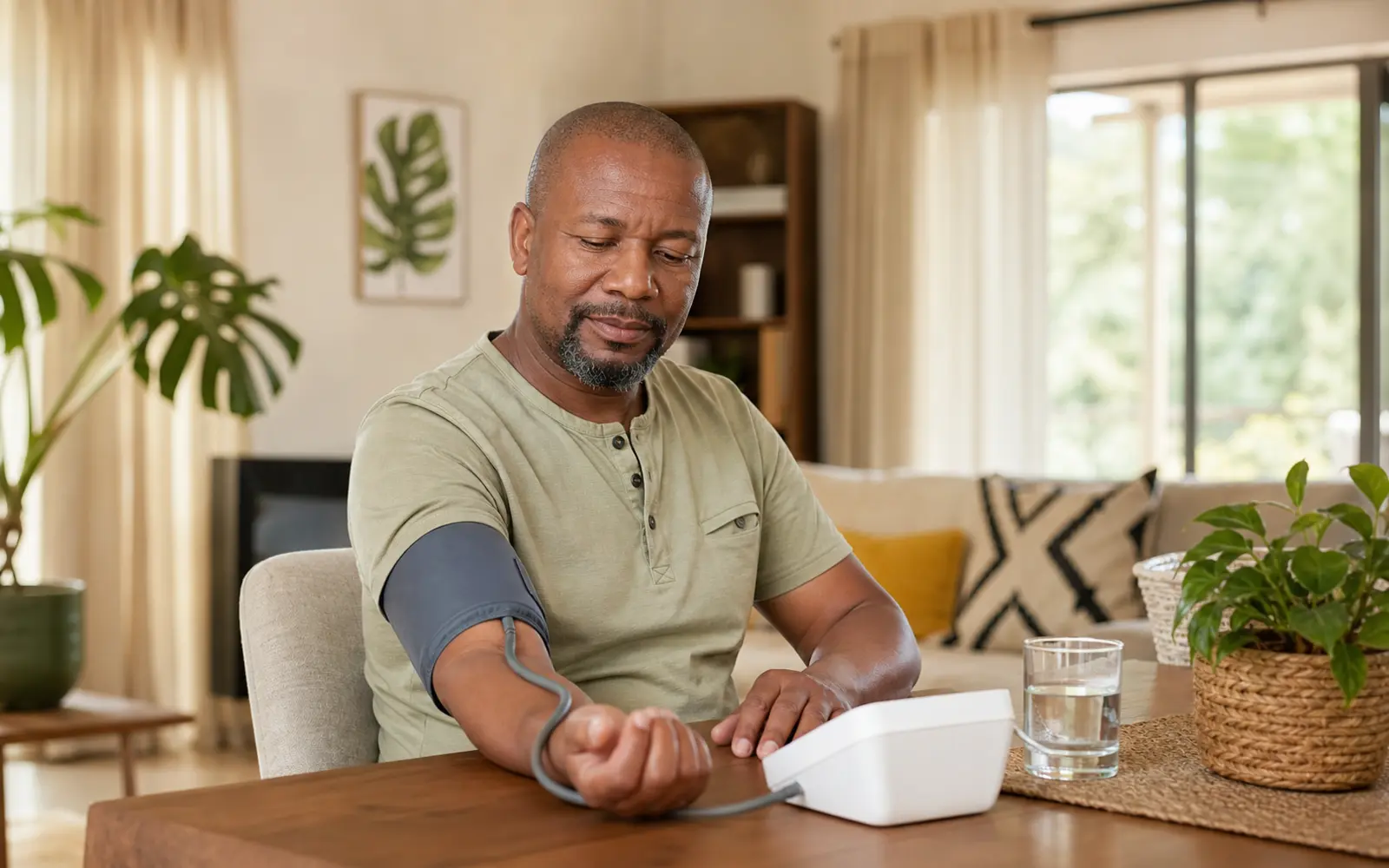
- Follow the monitoring schedule and medication plan provided by your healthcare team.
- Keep water available and choose unsweetened drinks more often.
- Include regular movement, such as walking, when it is safe and suitable for you.
- Record unusual readings, symptoms, meals, or missed medication so you can discuss patterns at a review.
- Protect sleep and build routines that are realistic enough to repeat.
Supplements and herbal products
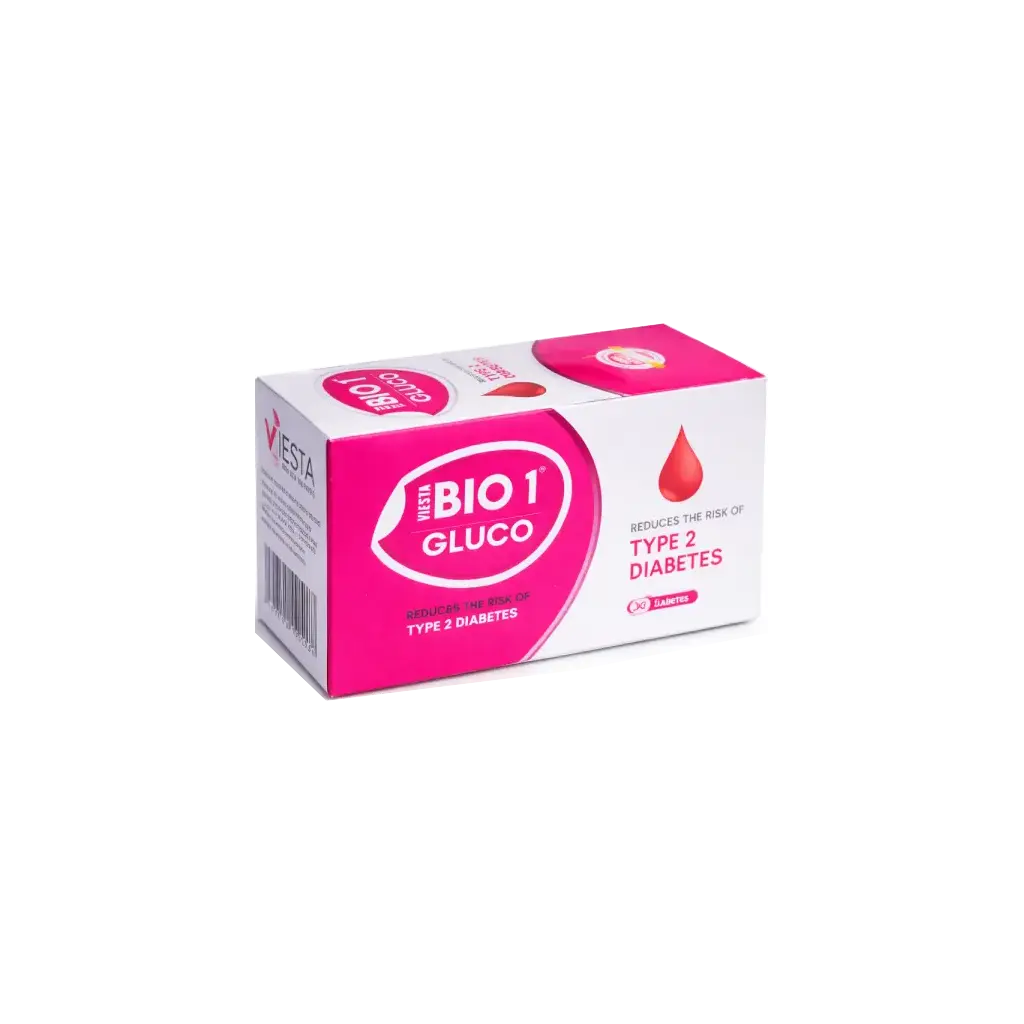
A product placed in a diabetes category is not automatically proven to lower glucose or manage diabetes. If you use glucose-lowering medicine, adding a supplement or concentrated herbal product without professional advice may complicate your routine or create interaction risks. Review the confirmed label and discuss the complete ingredient list with a qualified clinician or pharmacist.
Further reading
Sources
These authoritative references informed the general health guidance in this article.