Detoxing the Right Way: What the Evidence Says
Separate sustainable wellness habits from commercial cleanse claims and learn what to check before trying a detox product.

“Detox” is used to describe everything from ordinary healthy habits to restrictive diets, juice-only plans, laxatives, supplements, and commercial cleanses. Those approaches are not equivalent. In medicine, detoxification can describe specific treatment for a harmful substance; in marketing, the word often makes broad promises without defining the toxin, measurement, or evidence.
What the evidence says
NCCIH reports that only a small number of human studies have examined commercial detox programs and that the available studies have important limitations. Evidence does not support promising lasting weight loss or toxin removal from a short cleanse. Some programs may also cause dehydration, nutrient shortfalls, diarrhoea, or electrolyte problems.
Choose sustainable wellness habits
- Drink water regularly, adjusting for climate, activity, and professional advice about any fluid restriction.
- Eat varied meals that include vegetables, fruit, pulses, whole grains, and other fibre-containing foods available to you.
- Reduce reliance on heavily processed foods without turning meals into an extreme all-or-nothing plan.
- Move regularly and protect sleep as part of overall wellbeing.
- Give persistent digestive symptoms a clinical assessment instead of repeatedly masking them with a cleanse.
Questions to ask before using a detox product
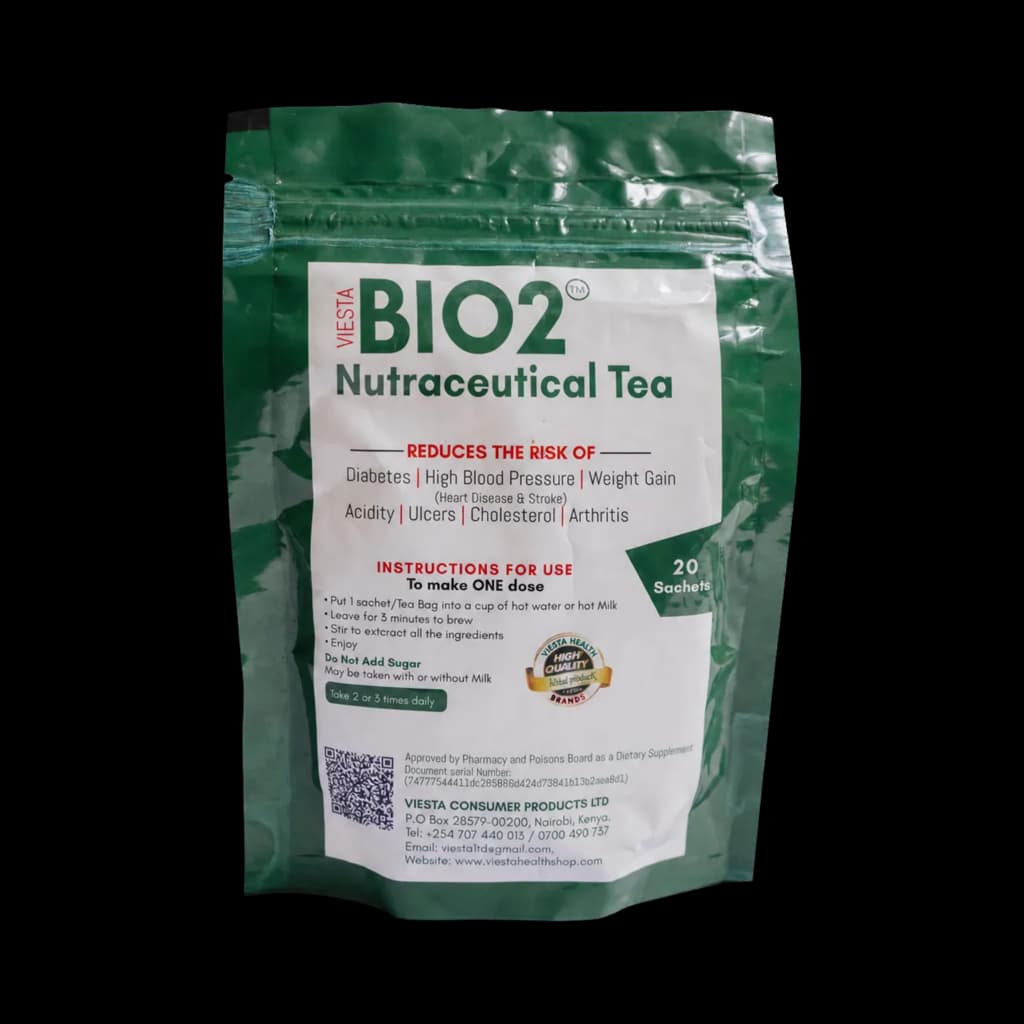
- What exactly does the label say the product contains?
- Are the amounts, preparation instructions, warnings, and intended duration clear?
- Does it include a laxative, diuretic, stimulant, or herb that could interact with medication?
- Is the claim specific and supported, or does it only use words such as cleanse, flush, or reset?
- Could the routine be risky with diabetes, kidney disease, heart disease, pregnancy, nursing, or a digestive condition?
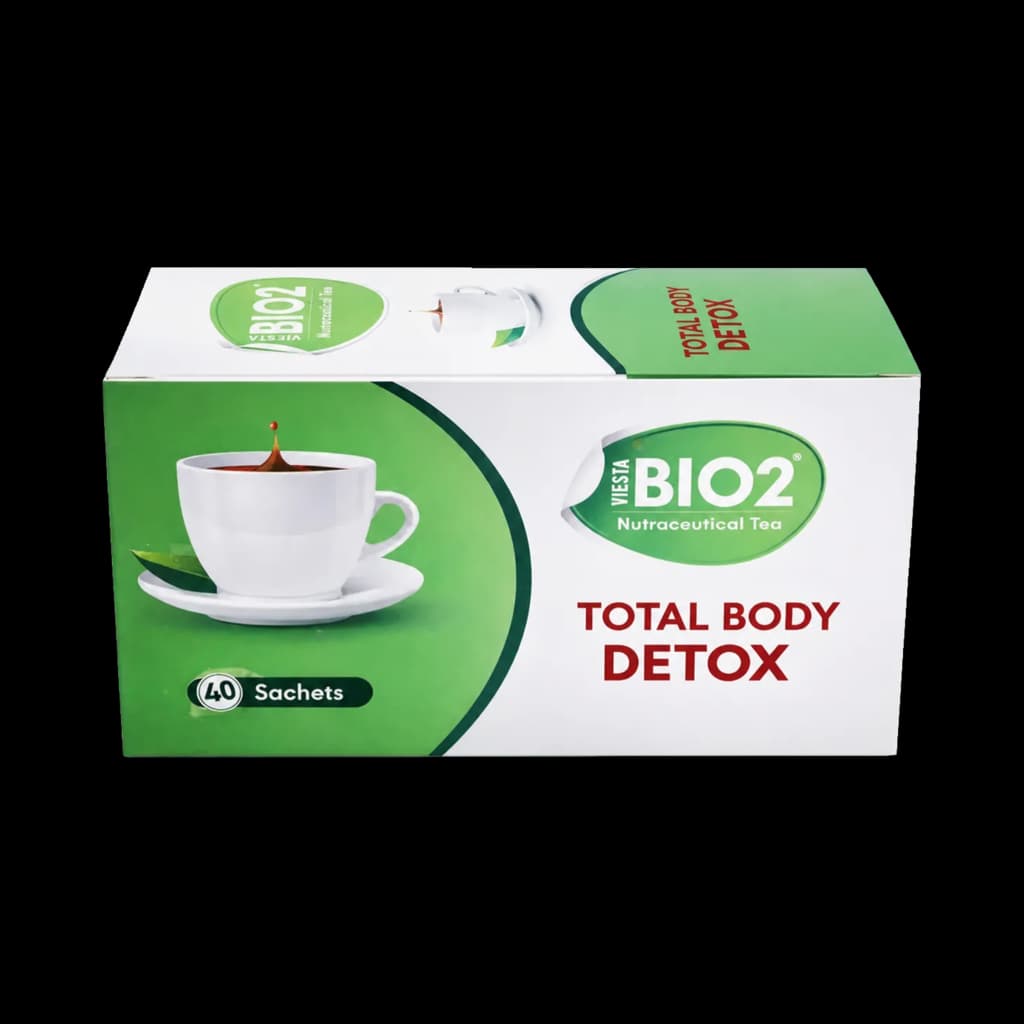
A product name that contains the word detox is not proof that it removes toxins. Treat it as a product to evaluate carefully: read the confirmed label, use only as directed, and ask a qualified healthcare professional or pharmacist when your health or medication makes the decision more complex.
Further reading
Sources
These authoritative references informed the general health guidance in this article.