Women's Everyday Wellness: Energy, Nutrition, and Self-Care
Build practical wellbeing habits while avoiding broad hormonal claims and knowing when persistent symptoms deserve assessment.

Women's wellbeing changes across life stages and cannot be reduced to one idea of “hormonal balance.” Energy, sleep, menstrual patterns, pregnancy, contraception, menopause, nutrition, stress, medication, and health conditions can all shape how someone feels. Persistent symptoms deserve careful assessment rather than a diagnosis based on a social-media checklist.
Build a realistic foundation
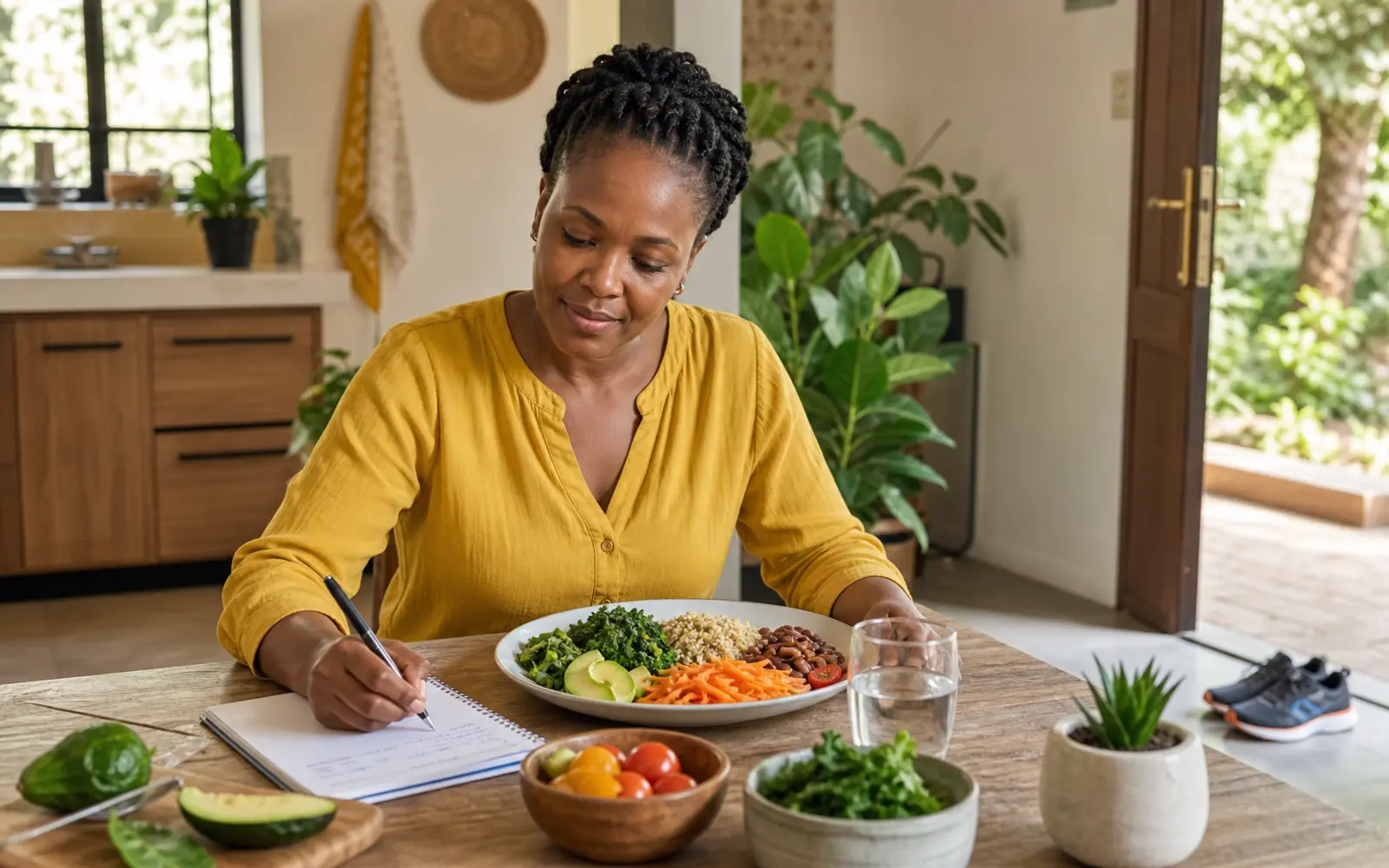
WHO describes self-care as a combination of healthy practices and appropriate health interventions that complement formal care. Everyday foundations include adequate and varied food, suitable physical activity, sleep, avoiding tobacco, limiting alcohol, social connection, and using health services when they are needed.
- Plan varied meals around adequacy, balance, moderation, and diversity rather than restrictive wellness rules.
- Build movement into the week and adapt it for pregnancy, recovery, disability, pain, or a clinician's advice.
- Track recurring symptoms and menstrual changes with enough detail to support a useful clinical conversation.
- Protect sleep where possible and notice when fatigue persists despite reasonable rest.
- Keep preventive and reproductive healthcare decisions connected to qualified professional guidance.
Avoid self-diagnosing a hormonal imbalance
Fatigue, mood changes, altered periods, skin changes, and weight changes can have many explanations. Calling them a hormonal imbalance without an assessment may delay care for anaemia, thyroid disease, pregnancy, medication effects, sleep problems, mental health needs, or other conditions. A useful evaluation begins with the pattern, duration, severity, and personal health context.
Supplements need context
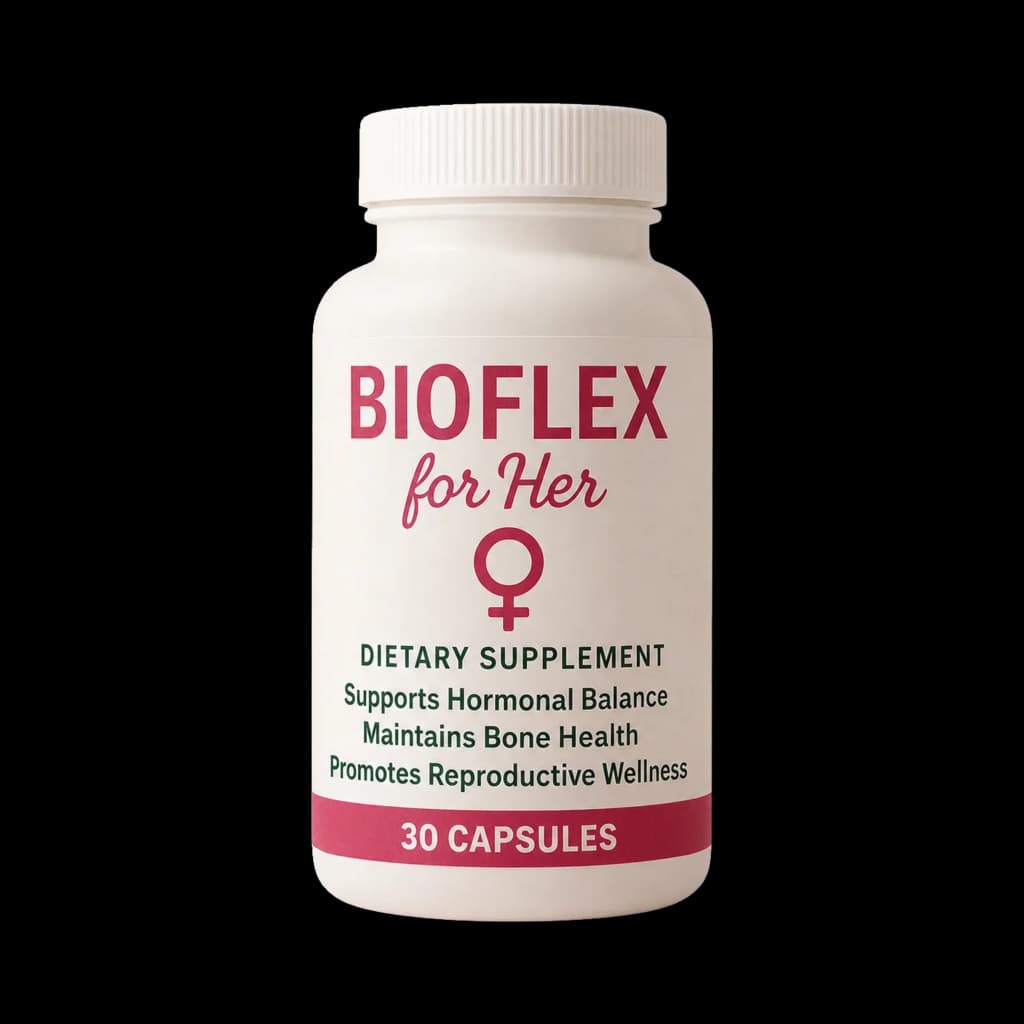
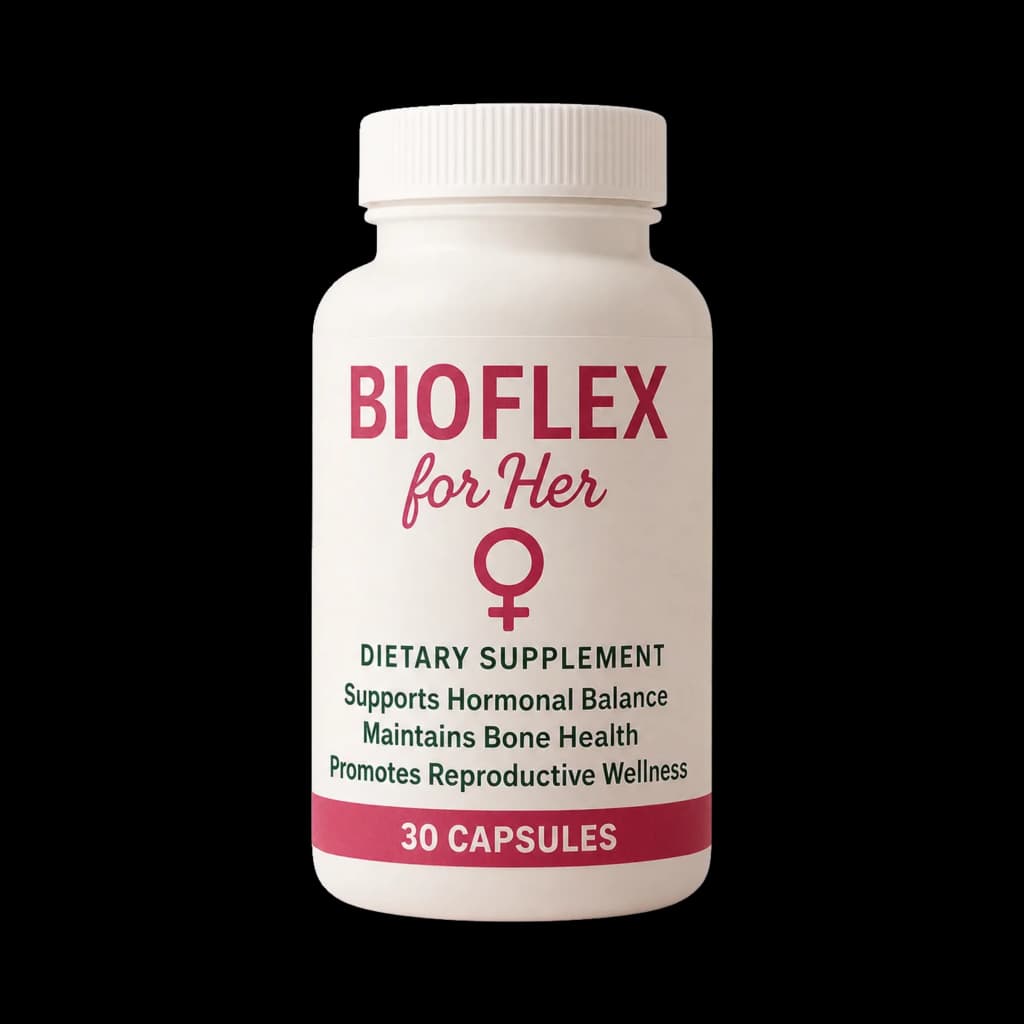
A women's-wellness label does not establish that a product balances hormones, treats PMS, corrects a nutrient deficiency, supports fertility, or restores energy. Confirm the ingredients and directions, avoid combining products with overlapping nutrients, and seek advice during pregnancy, nursing, fertility treatment, chronic illness, or medication use.
Further reading
Sources
These authoritative references informed the general health guidance in this article.